

- Discover the best photography locations in the Smokies: Roaring Fork Motor Trail, Kuwohi, Mount LeConte, Cades Cove, and Foothills Parkway.
- Get up-to-date tips on accessibility, seasonal highlights, and how to capture the park’s most stunning moments.
- Learn when and where to find the best light, avoid crowds, and spot wildlife.
- Find essential planning info, including parking, closures, and gear recommendations.
Read on to learn more about the best places to get photos of the Smoky Mountains!
Capture the Magic: Why the Smokies Are a Photographer’s Dream
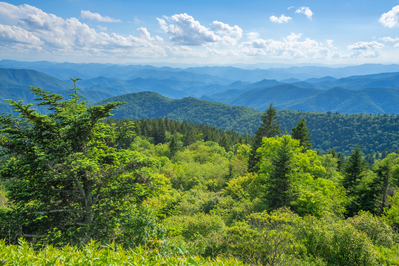
Ever wondered where the pros go to capture those jaw-dropping Smoky Mountain shots? Whether you’re chasing misty sunrises, golden autumn leaves, or the perfect wildlife moment, Great Smoky Mountains National Park offers endless inspiration. Picture this: you’re standing atop Kuwohi as the first rays of sun break over a sea of blue ridges, camera in hand, and the world feels both vast and intimate. Ready to plan your own photo adventure? Let’s dive into the top five spots you can’t miss!
1. Roaring Fork Motor Trail: Waterfalls, History, and Wildflowers
Why It’s Special:
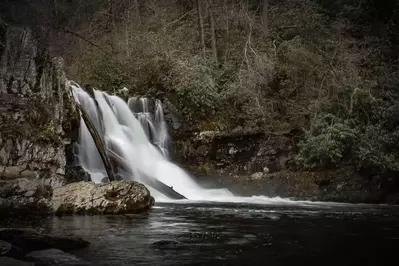
A 5.5-mile, one-way loop just outside Gatlinburg, Roaring Fork Motor Nature Trail is a haven for waterfall chasers, history buffs, and wildflower lovers. The area bursts with color in spring and autumn, and after a rain, the streams and cascades come alive.
Accessibility & Tips:
- Open spring through late fall (closes in late November, or earlier for weather).
- Access via Historic Nature Trail Road from Gatlinburg (traffic light #8).
- Parking is limited at popular trailheads like Rainbow Falls and Grotto Falls.
- Not ADA accessible, but self-guided auto tour booklets are available.
Photo Highlights:
- Noah “Bud” Ogle homestead, Grotto Falls, Rainbow Falls, and the Place of a Thousand Drips.
- Best light: early morning, late afternoon, or cloudy days for long exposures.
- Spring wildflowers and autumn foliage are peak seasons.
Mini-Summary: Roaring Fork offers a blend of natural beauty and historic charm, perfect for both landscape and detail shots. Arrive early to beat the crowds and catch the best light.
2. Kuwohi: Sunrise, Sunset, and Starry Skies
Why It’s Special:
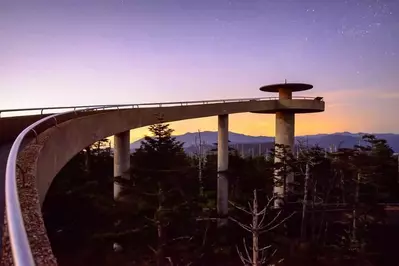
At 6,643 feet, Kuwohi (formerly Clingmans Dome) is the highest point in the park and the Appalachian Trail. The observation tower provides 360° views, ideal for sunrise, sunset, and even astrophotography during summer’s Milky Way displays.
Accessibility & Tips:
- Road open April 1–November 30 (weather permitting); closed in winter.
- Steep, paved half-mile trail to the tower (not wheelchair accessible).
- Dress in layers, as summit temps can be 10–20°F cooler than the valleys.
- Arrive early or late for fewer crowds.
Photo Highlights:
- Panoramic vistas, dramatic cloudscapes, and vibrant sunrises/sunsets.
- Bring a tripod and a wide-angle lens for landscapes.
Mini-Summary: Kuwohi is a must for sweeping landscapes and dramatic skies. Plan for variable weather and pack warm clothing, even in summer.
3. Mount LeConte: Epic Vistas for the Adventurous
Why It’s Special:
Accessible only by hiking, Mount LeConte rewards the adventurous with some of the Great Smoky Mountains National Park’s most breathtaking views. Multiple trails (Alum Cave, Trillium Gap) offer waterfalls, wildflowers, and geological wonders along the way.
Accessibility & Tips:
- No road access; hikes only.
- LeConte Lodge at the summit is the park’s only in-park lodging (seasonal).
- Weather can change quickly; check trail conditions before heading out.
Photo Highlights:
- Myrtle Point (sunrise) and Cliff Tops (sunset) for panoramic shots.
- Bring both wide and telephoto lenses for landscapes and wildlife.
Mini-Summary: Mount LeConte is for those seeking adventure and variety, as each trail offers unique photo ops, and the summit rewards with unforgettable vistas .
4. Cades Cove: Wildlife, History, and Misty Mornings
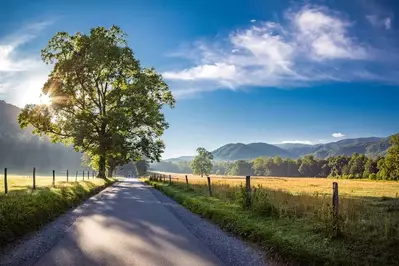
Why It’s Special:
Cades Cove is a picturesque valley surrounded by mountains, famous for its wildlife, historic buildings, and atmospheric fog. The 11-mile loop is open year-round, with special vehicle-free days in summer for cyclists and walkers.
Accessibility & Tips:
- Loop open sunrise to sunset; closed to vehicles on Wednesdays.
- Visitor center and restrooms are ADA accessible; historic buildings are not.
Photo Highlights:
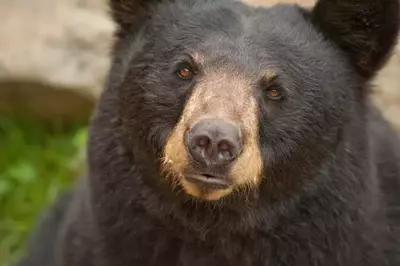
- Early morning fog, golden hour light, historic cabins, and abundant wildlife (deer, black bears, turkeys).
- Telephoto lens recommended for wildlife; always maintain a 150-foot distance.
Mini-Summary: Cades Cove is a favorite for both landscape and wildlife photographers. Arrive at dawn for magical light and fewer crowds.
5. Foothills Parkway: Panoramic Overlooks and Fall Color
Why It’s Special:
Foothills Parkway offers sweeping views of the Great Smoky Mountains National Park and Tennessee Valley from multiple overlooks. It’s less crowded than other park roads and especially stunning during fall foliage.
Accessibility & Tips:
- Open year-round; check for weather-related closures.
- Look Rock features a half-mile trail to an observation tower with 360° views.
- Only three segments (22.5 miles total) are open.
Photo Highlights:
- Panoramic shots from overlooks, especially at sunrise and sunset.
- Use a polarizing filter to enhance sky and foliage colors.
Mini-Summary: Foothills Parkway is perfect for those seeking big views with easy access. Look Rock is a top spot for sunrise, sunset, and panoramic photography .
Q&A: Your Smoky Mountains Photography Questions Answered

Q: What’s the best time of year for photography in the Smokies?
A: Spring (for wildflowers and waterfalls) and autumn (for fall color) are the most popular, but each season offers unique opportunities. Winter brings snow-capped peaks, and summer is great for lush greenery and astrophotography at Kuwohi .
Q: Are there any accessibility considerations for these photo spots?
A: Many overlooks and visitor centers (like Cades Cove and Foothills Parkway) are ADA accessible, but trails to Kuwohi’s tower, Mount LeConte, and Roaring Fork’s waterfalls are not. Always check NPS accessibility info before your visit .
Q: What gear should I bring for the best photos?
A: Essentials include a sturdy tripod, wide-angle and telephoto lenses, polarizing filter, and weather protection for your camera. For wildlife, a telephoto lens is a must, and remember to keep at least 150 feet from animals.
Q: Do I need a permit for photography in the park?
A: Personal, non-commercial photography at Great Smoky Mountains National Park does not require a permit. Commercial shoots and workshops may need a permit; see NPS photography guidelines for details.
Q: How can I avoid crowds at popular photo spots?
A: Arrive early (especially for sunrise) or visit late in the day. Weekdays and off-peak seasons (late fall, winter) are less crowded. For Cades Cove, try vehicle-free Wednesdays in summer for a quieter experience.
Planning Tips & Essential Info
- Parking tags are required for all vehicles parked for more than 15 minutes.
- Drones are prohibited throughout the park.
- Weather changes quickly, so pack layers and rain gear.
- Check current conditions and closures before your trip: NPS Current Conditions.
Plan Your Smoky Mountain Getaway
If you are ready to begin your photography adventure in the Smoky Mountains, then the next step is to reserve quality lodging in the area! Fortunately, The Appy Lodge gives you convenient access to Great Smoky Mountains National Park while also providing all of the comforts you could want during your trip. Reserve lodging at our Gatlinburg hotel today and get ready for an amazing time in the Smokies!